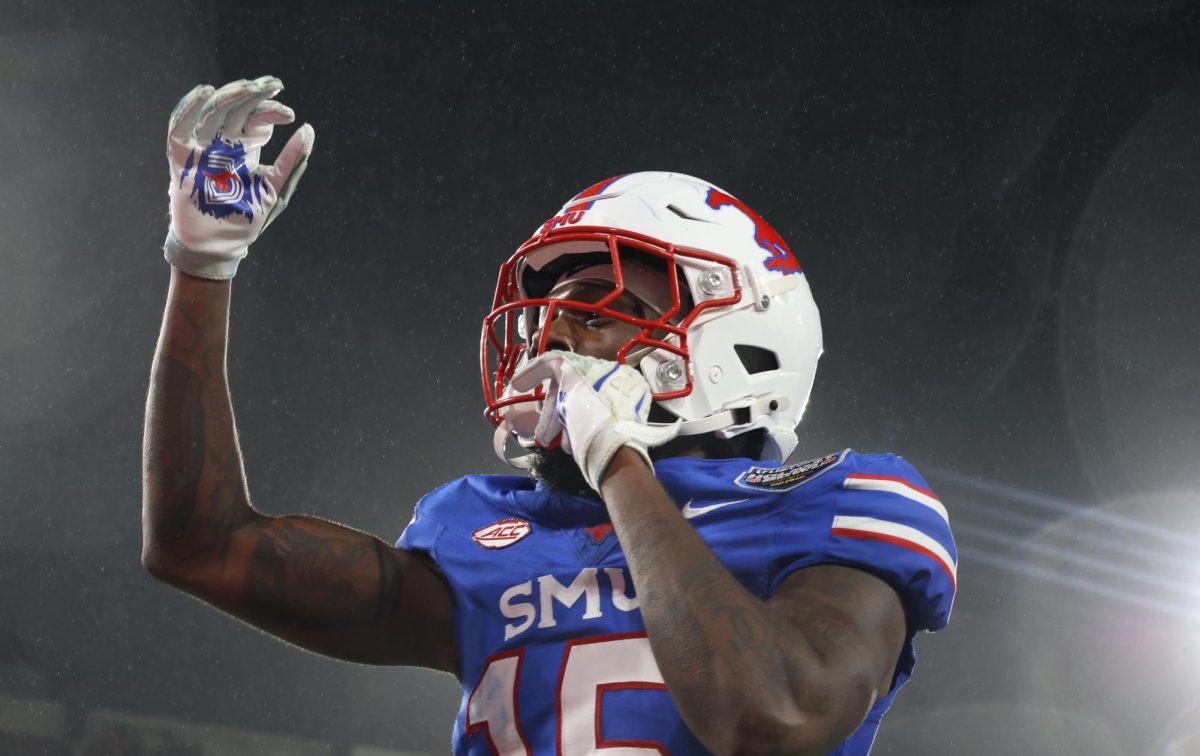


On a chilly December morning, a hard-fought journey turned into a stunning moment of triumph. SMU, in its inaugural season in the Atlantic Coast Conference, captured the final spot in the College Football Playoff over the University of Alabama. The playoff spot highlighted a victory forged not in a single game, but in years of strategic vision, fundraising and a revived spirit that echoed across the Hilltop and beyond. For SMU, the ACC was not just a new league; it was a homecoming.
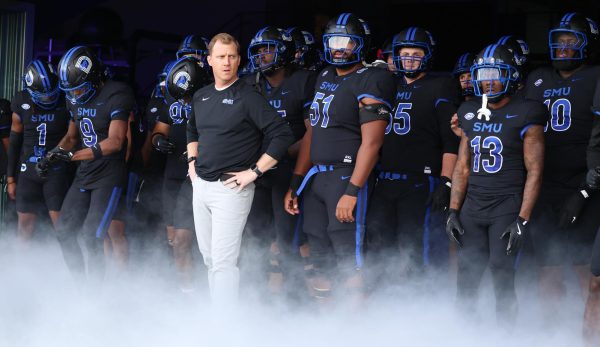
Claiming the last spot over Alabama emphasized the work that took place more than three decades prior in the chaotic aftermath of the Southwest Conference’s dissolution in 1996.
Cast adrift, the Mustangs wandered through several conferences — the Western Athletic Conference, Conference USA and the American Athletic Conference. For years, the athletic program remained a character without a destination, identified by instability rather than national prominence.
That wandering ended on Sept. 1, 2023, when North Carolina State University delivered the final, decisive vote for SMU to join the ACC. The vote was the culmination of a long-term pursuit of Power Four status by the SMU board, led by Chairman David Miller.
Miller and then-President R. Gerald Turner had privately envisioned the ACC as their top destination for years.
“If we ever had the good fortune of having a choice, our choice would be the ACC,” Miller said in a podcast with Bill Armstrong, another SMU trustee, in 2024.
The head-turning move was fueled by the unwavering commitment of donors like Miller and Bill Armstrong, whose financial backing proved a key difference.
“I have to say, if it wasn’t for David Miller, there is no way we would be in the ACC,” Armstrong said in that same podcast.
Their support was crucial in navigating the financial headwinds of conference realignment, as the university forfeited nine years of tier-one ACC revenue to secure its invitation.
The investment paid immediate dividends. In 2024, the year before joining the ACC, SMU’s fundraising efforts soared past $150 million. The move ignited enthusiasm that rapidly elevated the Mustang brand on a national stage. Undergraduate applications surged 56% after just one year of being associated with the ACC. This revival wasn’t limited to prospective students; it also rekindled the excitement of alumni, who now enjoy packed Boulevards on gamedays.
“Seeing the Boulevard break out over the last 15 years has been incredible,” class of 1994 alumnus Rickey Lima said. “Watching SMU has now become a part of the city of Dallas and the Park Cities. We’re an event now.”
Class of 1992 alumnus Blaine Grant feels similarly about the evolution of spirit on the Hilltop.
“Back in the late ’80s and early ’90s, SMU games felt more like an obligation than an enjoyable event,” Grant said. “Now, with the Boulevard, it’s the opposite—you go for the atmosphere almost as much as the football.”
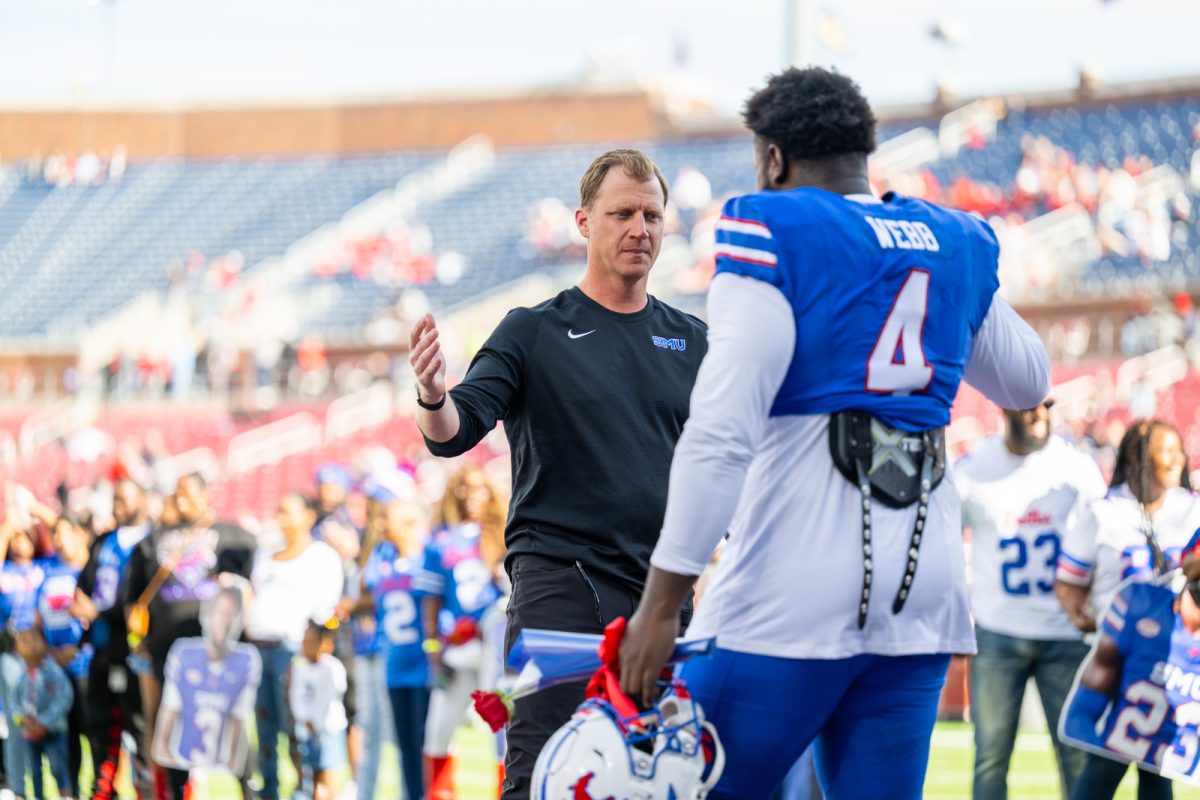
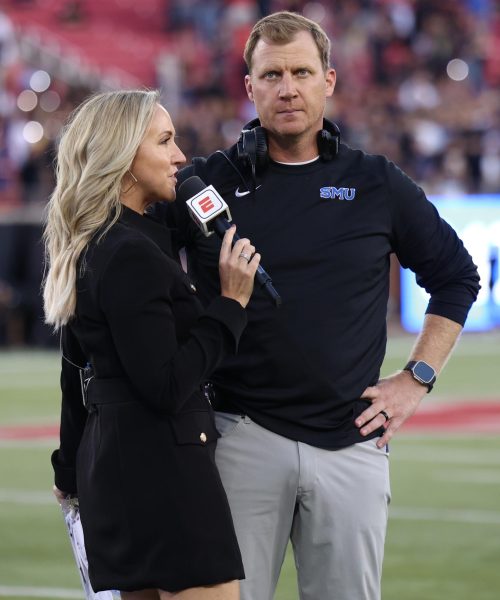
In an NIL era of uncertainty and empty promises, the influx of resources was managed with precision. The football program thrived under head coach Rhett Lashlee, who signed a multiyear extension in 2024 that saw a salary increase, as well. Lashlee and his staff built a roster filled with talent primarily from the Dallas-Fort Worth area. The staff’s efforts paid off in 2024, when the Mustangs shocked the college football world with a stellar 11-1 regular season, including a flawless 8-0 record in ACC play.
When looking back at how far the football program has come, Lashlee expressed his pride.
“Every school has a past, some good, some not so good. But [being successful in the ACC] is a great opportunity for us to turn the page as a school and a program,” Lashlee said in a press conference in September.
Football’s success was just the beginning of a Mustang sports revolution on the Hilltop. In its first ACC season, other Mustang sports programs mirrored that excellence. Men’s basketball battled to a fourth-place tie in the storied conference, while women’s volleyball secured a number-two seed in the NCAA tournament. Men’s soccer finished the year ranked number five nationally. Thanks to the overall strength of SMU’s athletic teams, the school achieved its highest-ever ranking in the Directors’ Cup, a prize pursued by more than 250 schools.
With SMU proving it belonged in year one of the ACC, the Mustangs’ aspirations only grew bolder for the future. With SMU President Jay Hartzell and Director of Athletics Damon Evans arriving in 2025, the university committed itself to continuing the “Mustang Momentum”.
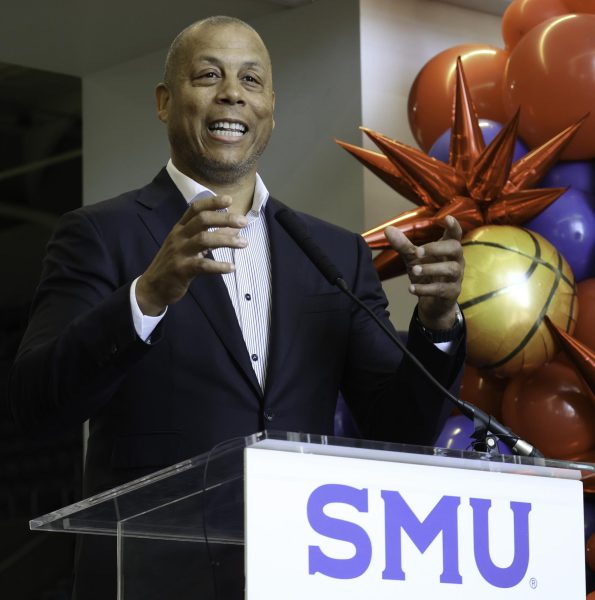
During his introductory press conference, Evans, an athletic director with experience in the SEC and Big Ten, saw SMU’s vision to thrive in the ACC.
“The opportunity is magnificent. This is our moment to strategically position SMU in this dynamic landscape,” Evans said. “Our culture, strategy and structure will play a fundamental role in elevating SMU.”
This shared vision has resonated throughout the campus leadership. Lashlee, looking towards the future, believes the Hilltop’s ceiling is limitless. “We can get back to [the playoffs] more often and maybe even win that next national championship,” he said.
For SMU, the future in the ACC flows with the potential of more victories, national attention, and a newfound home.