


The SMU Theatre department closed its production of “Bent” on Nov. 15 with a full house. Students, alumni, staff and parents gathered for this special project production, representing the hardship faced by the queer community in 1934 Germany.
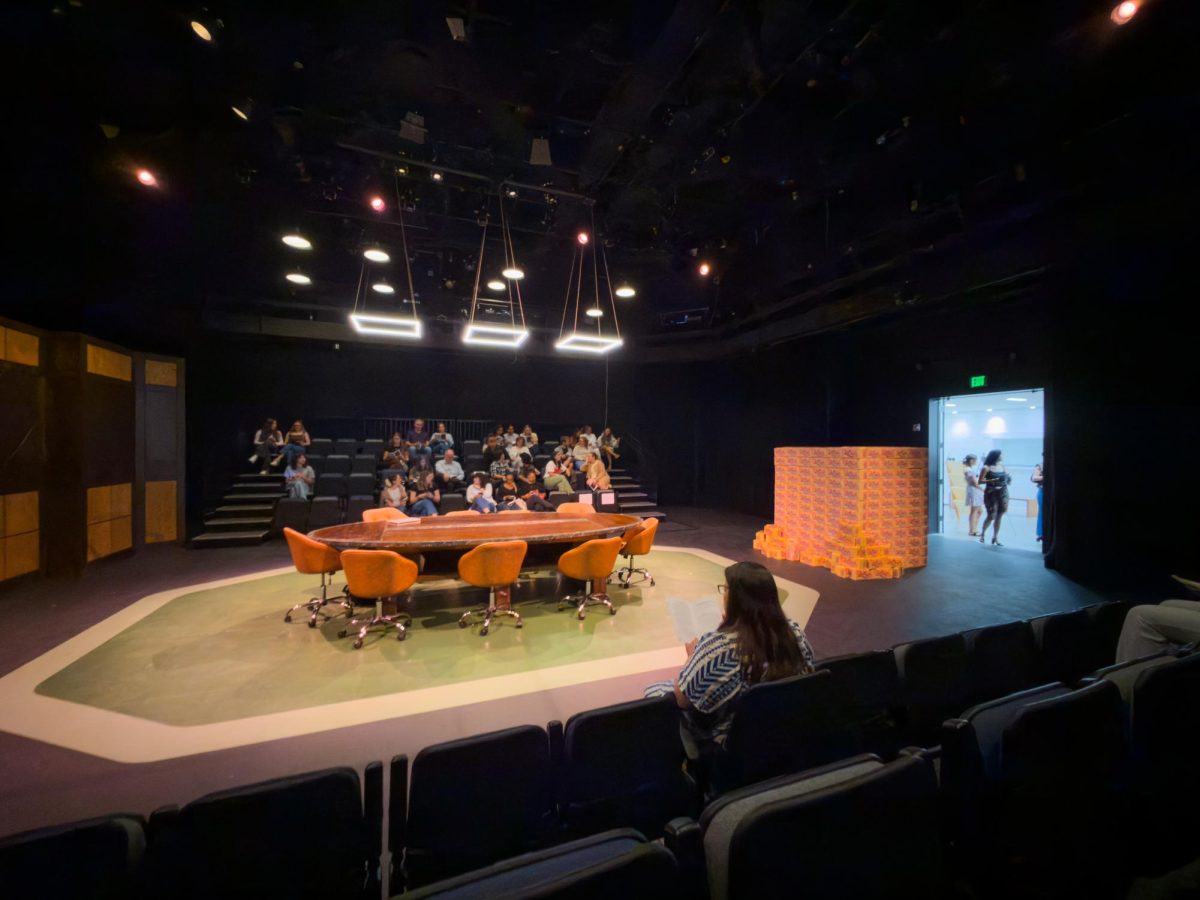
Within minutes, the performance studio in Owen Fine Arts Center filled with chatter and excitement as members of the theatre community found their seats. The lights dimmed and silence fell over the crowd as the show began.
The production reflects the horrors faced by queer people under the Nazi regime. Inside Dachau, a Nazi concentration camp, two men fall in love despite the dangers surrounding them. They forge a connection that keeps them going, inspiring the audience. Ending the performance, their love serves as an act of defiance to their oppressors and pride in who they are.
“Bent” is the third production in Director Bernard Cummings’ trilogy of plays focusing on life within the Holocaust, following “Diary of Anne Frank” and “Judgement at Nuremberg.” Despite being denied for a main stage production, Assistant Director and Stage Manager Lucy Kleinschmidt and other students advocated for a chance to work with the SMU professor.
“If he didn’t direct something, which he wasn’t supposed to this year, none of us would ever have gotten the chance to work with him during our four years here,” Kleinschmidt said. “So it really meant a lot to us that we were able to get something up and be able to work with him.”
Owen Davis, who played the role of Rudy, researched the topic in detail in order to give justice to the experience that this production represents.
“Getting to work on this show, I learned so much about it and how important it is for us to hear the stories,” Davis said. “[I hope the audience takes away] a remembrance and respect for what happened to people and just knowledge.”
The intense performance from the leads, Joseph Van De Yacht and Emmet Overcarsh, captured true terror, sadness and love, bringing the reality of history alive. Subtle jokes brought laughter to the audience, allowing for fleeting moments of relief among the darkness of the subject matter. Although the production had been cut down from the original script, the emotional effect was overwhelmingly achieved.
Throughout the performance, the audience watched as outsiders to the characters. Feeling their pain and their love, but removed from the situation.
Upon the final note of defiance for the couple, a mirror was revealed, turning the audience’s attention back on themselves.
It opens the floor to a moment of reflection upon what they have just witnessed. Emmet Overcarsh, who played the co-lead role of Horst, claimed it as one of his “favorite things about the show.”
“It really implicates the audience,” Overcarsh said. “Empathy and humanity is a necessity and we have to be aware of when we begin to lose sight of other people’s humanity.”
The performance brought perspective to the experience of the queer community at this time and the hate that they faced. The story was impactful and the actors portrayed this fearful time in history with talent and respect, leaving the audience in shock and awe.
“It was a privilege to be able to speak for the characters and people because their own voices were ripped away from them,” Overcarsh said. “And that we’re, as actors, able to do the show night after night after a month of rehearsals because the play is not about us, the actors, it’s about the characters and the people we are embodying.”