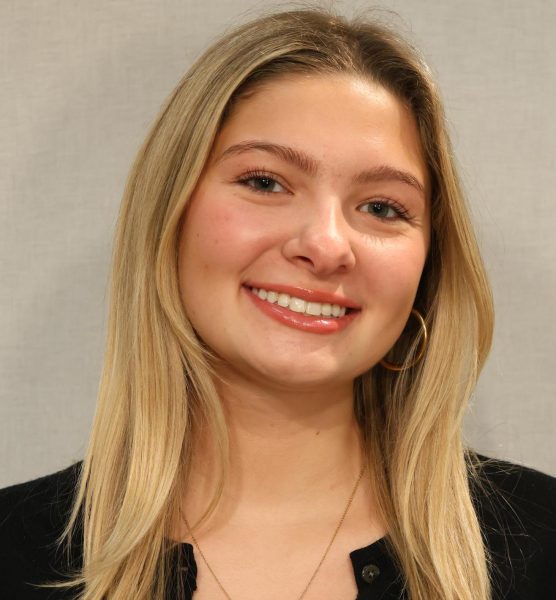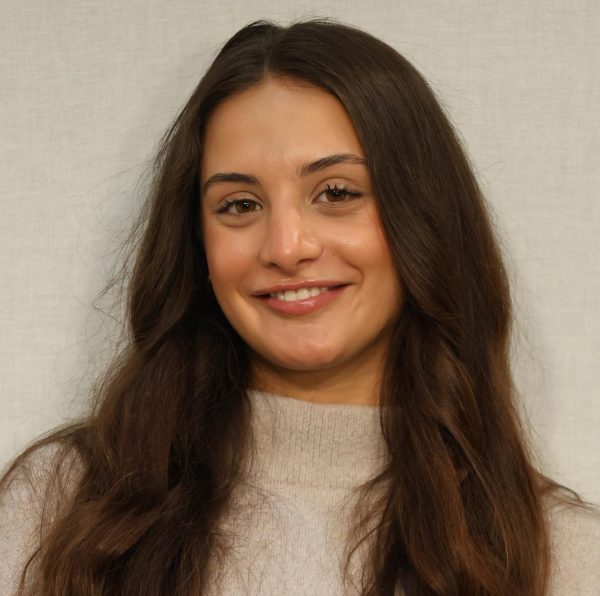


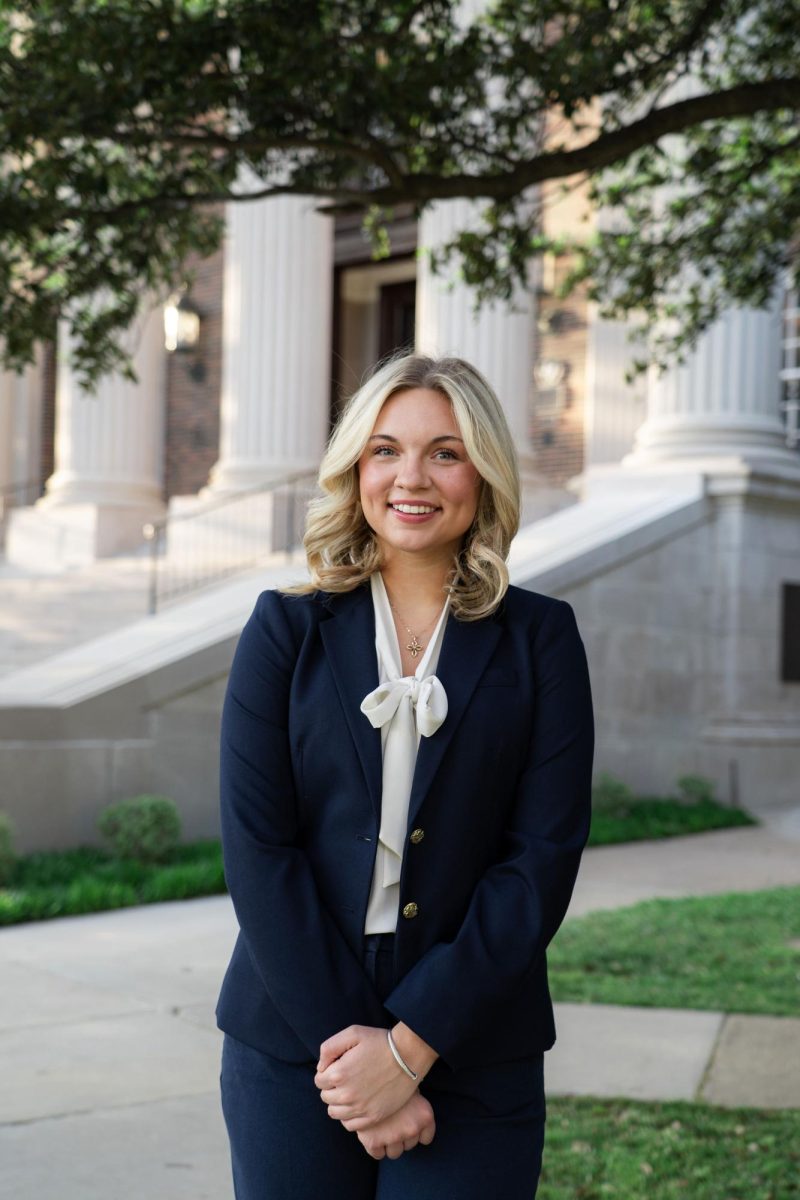
For this year’s Student Senate elections, The Daily Campus’ editorial team decided to continue interviewing student body officers in a panel, an effort that was implemented last year to share each candidate’s campaign platforms, increase voter turnout and transparency within Student Senate elections.
Candidates were interviewed by various members of The Daily Campus’ Senate Election Board, which comprises Melanie Jackson (Editor-in-Chief), Gianna La Fond (Managing Editor), Chloe Casdorph (Photo Editor), Sophie Bergmann (General Assignment Reporter and Sophia Pardo (General Assignment Reporter)
This year, only the race for Student Senate secretary is contested, yet across each category, each candidate received the same set of questions in a question-and-answer format to maintain balanced and fair reporting.
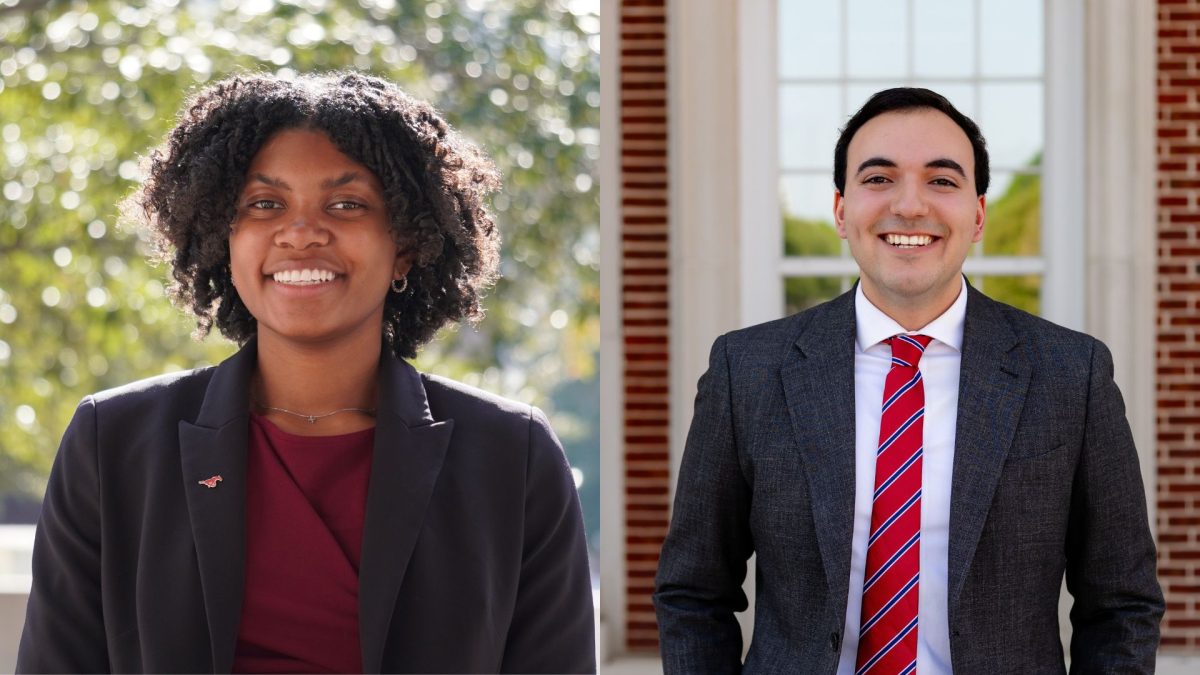
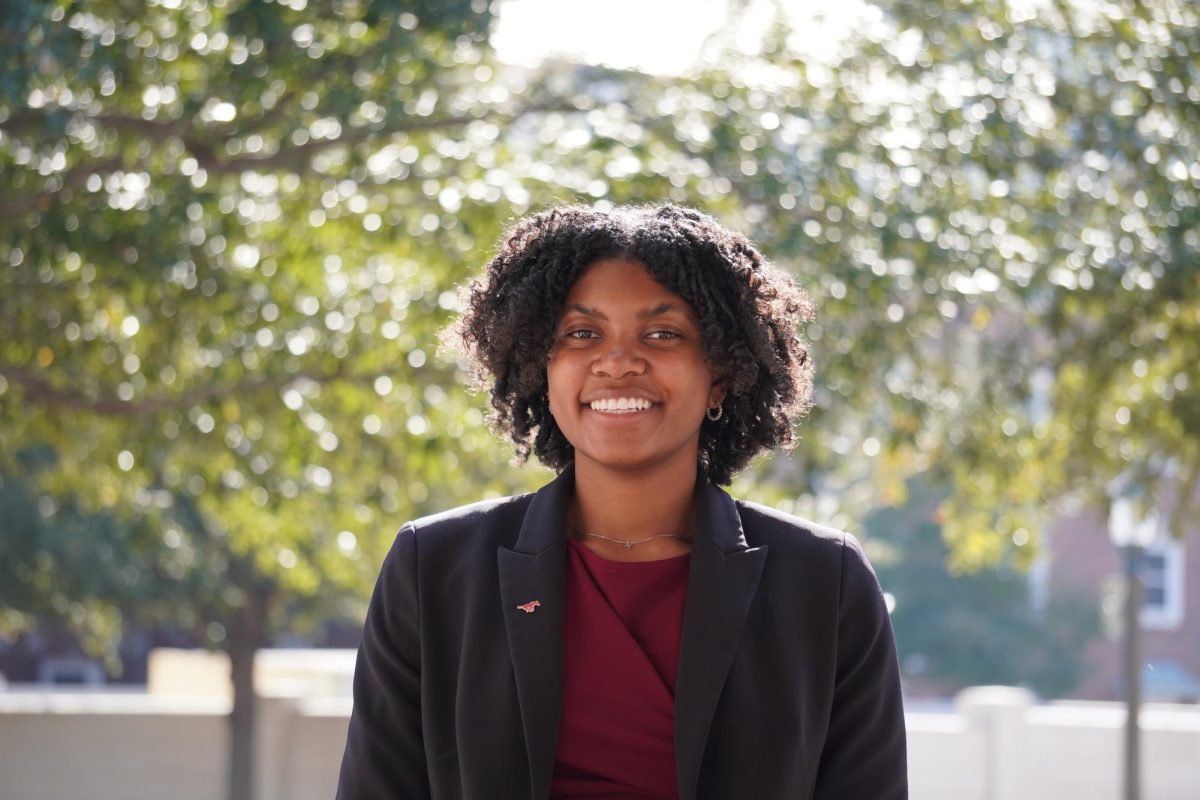
Ryland Davis
Davis is a rising junior majoring in finance and history with an energy management specialization who currently serves as a Cox senator.
The Daily Campus: Describe yourself in three words?
Ryland Davis: I’d have to say passionate, passionate is definitely something that I would describe myself as. I think motivated and I would like to say kind.
DC: If elected, what initiatives and policies do you plan to introduce?
Davis: Treasurer is really a different kind of position when you look at the student body officers. From my perspective, [the] treasurer really should, and should only be about – how can I make it easier for students to get the money that they not only need, but the money that they deserve, to operate on campus and to make it a better place, which is the entirety of the function force of it.
I think truly one of the most impactful things that senate does, although maybe the general student body doesn’t see [a] direct correlation all the time because it’s kind of behind the scenes, is funding orgs so they can throw these huge events on campus.
One of the biggest things for me that I want to focus on is ‘How can I make this easier for the average student?’ It really shouldn’t be hard and so I’m 120% open to dialogue. I want to go to orgs. I want my finance committee to be able to go to orgs and be welcomed and hear feedback. I want to implement a form that goes out twice a semester, kind of [at] the midpoint, and at the end of direct feedback – [getting] comments, concerns, questions and even what did we do positive? What did you like from us this semester?
Also, another huge thing that I want to focus on is making an advisory aspect to the finance committee. Oftentimes, [the] finance committee is not necessarily held accountable. I think that even some members who are freshmen, or just in general, who aren’t as focused on [the] finance committee, but it just happens to be the committee that they fall into, don’t fully understand the ramifications of the budgeting system or even how the process works. Educating them so that they can educate others is going to be something that I’m going to focus on. Not just within the finance committee, but also senate.
And then back to my advisory point, I think it’s really difficult for one or two people to be the only points of contact for 200-plus organizations on campus. It creates a lot of conflict, and ‘Why didn’t they get a hold of me? I’ve waited five days and I haven’t heard a response.’ I want to limit that as much as possible.
Obviously, we’re humans. I want to give grace, as I want people to give grace to me if I’m in that position. But I really want to prioritize getting responses back, helping people to where when they do submit their weekly requests or their full budget requests, that there’s not any confusion in the advisory aspect that maybe I couldn’t get to them that exact moment, that exact day, but if their designated senator on the finance committee can respond to them, as fast to make it easier, this is how I think, we should strategize this budget request. These are the standards. These are the things that are published on our website, trying to make it easy as possible for everything to go smoothly in pursuit to get their funding.
DC: What do you believe is the biggest issue facing the SMU community right now? How do you hope to bring change to this issue?
Davis: There are a lot of good answers to this question. I’m gonna go with probably an easier answer, something that everyone is experiencing or I feel is pretty prevalent on campus right now, is parking. Maybe that’s not a super deep or philosophical response, but I think parking is huge right now. I know that the campus and administration have initiatives to fix that.
I really like leaning on other student body officers and even candidates that are running. These are all incredible people who have incredible ideas and really, that discussion of ‘How can we fix this as a chamber? How can we help students?’ is something that I’m always going to advocate for. So as far as parking’s concerned, I want to hear it. You have questions, please, students come to senate. We’re open, we want to hear! So getting as many opinions as possible and solutions as possible. Maybe it’s not a perfect solution in the moment, but if we can workshop it over the next three months and have 40 people put input into it, maybe it can be a better solution then.
DC: When the university’s new strategic plan is implemented, what specific steps would you take to ensure student input and involvement?
Davis: I really think promoting that open dialogue is huge. Also, as far as my jurisdiction goes, as treasurer, finances are really what I care about and that’s my thing. Finance girl and whatnot – future potential investment banker. I’m really going to be focusing on the advisory aspect of creating relationships with students on campus through orgs. The finance committee can help play a part and communicate that and get dialogue going and feedback, absolutely 110%. I’m gonna push for that.
DC: What excites you most about the opportunity to serve in this role? What impact do you hope to make?
Davis: What excites me most is the fact that when I was a freshman, a first-year senator, I really didn’t think I could do it. I remember going around shaking so many people’s hands, but I remember just trying to put my face in front of people as much as possible and in the process, becoming a first-year senator. I looked up so much to the current treasurer; his name was Ryland Robb. He was a great mentor for me in my career, major, but also within senate. He had a way with words and allowing people to understand. Even if he maybe [wasn’t] as educated on the very specifics of, ‘How exactly does the six-cell formula play into the pooling of organizations and budgets?’ Maybe someone didn’t understand that, if they looked at it, but he had a way with words and putting it into plain knowledge for everyone.
Honestly, that’s what excites me most is the fact that I remember people helping me and taking the time to do so, and even my fellow peers who were first-year senators at the time and now some of them are still in senate and are helping others. So that’s really, honestly, what I’m looking forward to most is: helping others get to wherever they want to be. That’s one of the things that I’m most passionate about, too.