

For this year’s Student Senate elections, The Daily Campus editorial team decided to continue interviewing student body officers in a panel, an effort that was implemented last year to share each candidate’s campaign platforms, increase voter turnout and transparency within Student Senate elections.
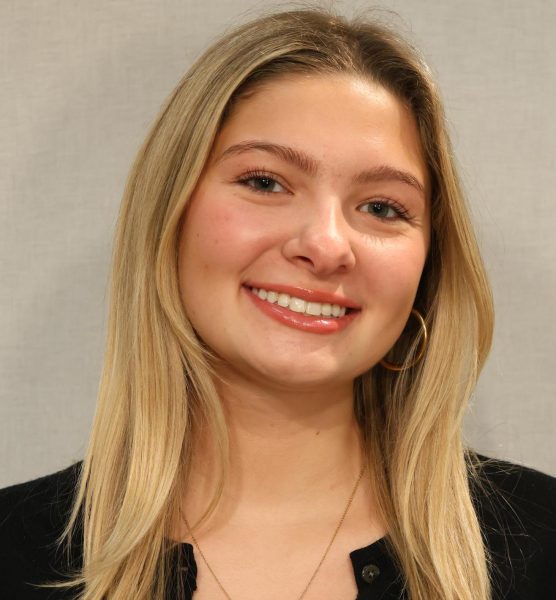
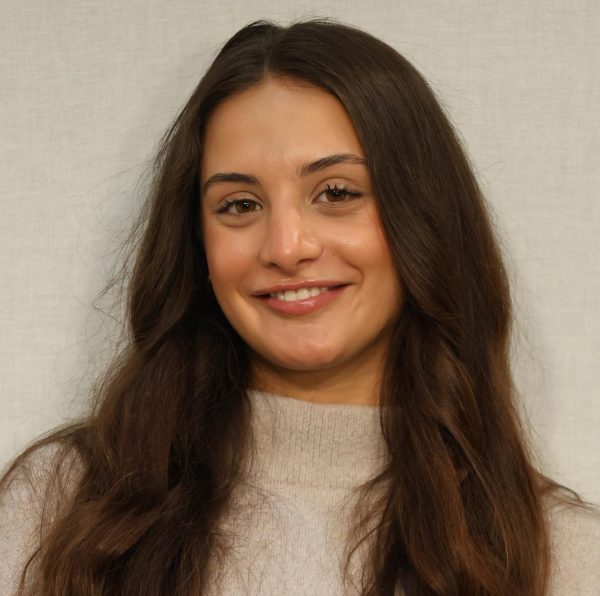
Candidates were interviewed by various members of The Daily Campus’ Senate Election Board, which comprises Melanie Jackson (Editor-in-Chief), Gianna La Fond (Managing Editor), Chloe Casdorph (Photo Editor), Sophie Bergmann (General Assignment Reporter and Sophia Pardo (General Assignment Reporter)
This year, only the race for Student Senate secretary is contested, yet across each category, each candidate received the same set of questions in a question-and-answer format to maintain balanced and fair reporting.
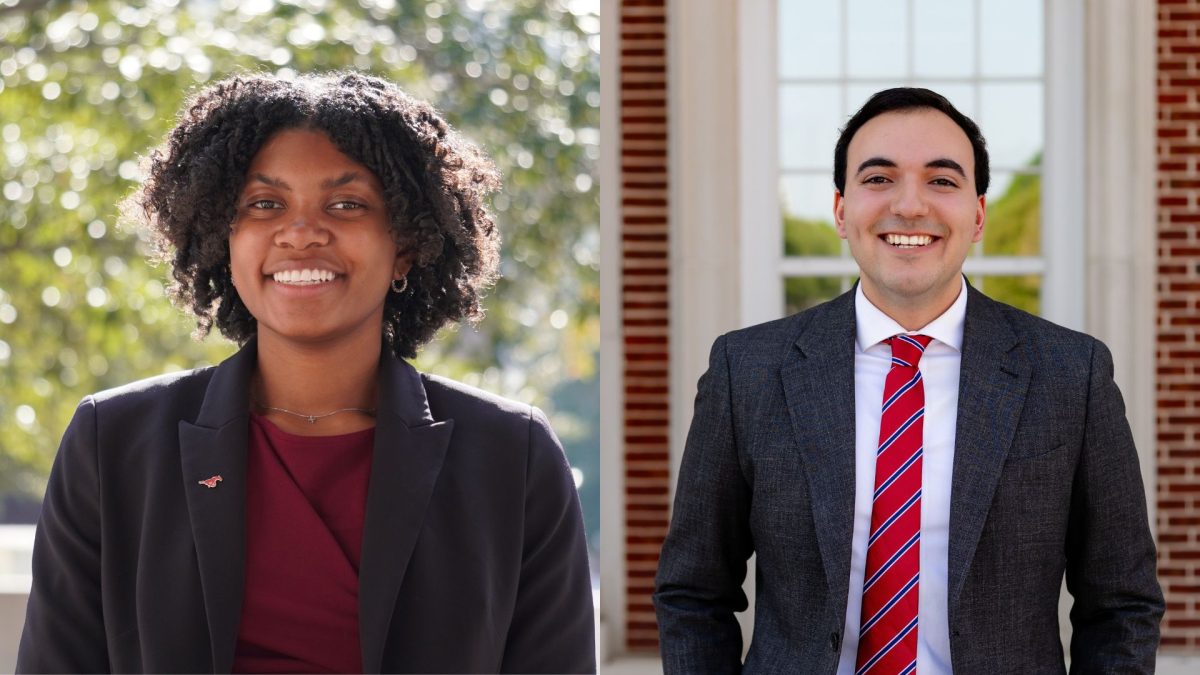
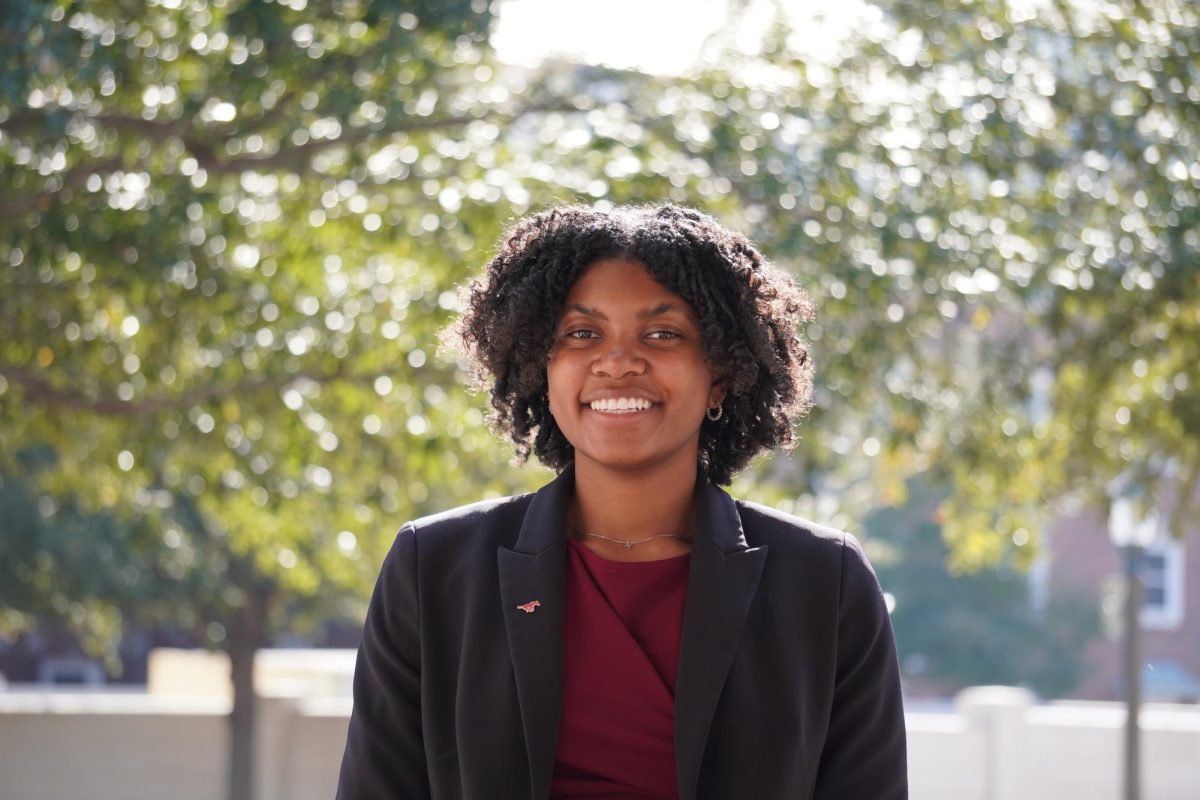
Jazmin Darjean
Darjean is a rising senior majoring in psychology and business management with a minor in Spanish. She currently serves as the 2025-2026 Student Senate vice president.
The Daily Campus: Describe yourself in three words?
Jazmin Darjean: I would describe myself as ambitious, organized and sociable.
DC: If elected, what initiatives and policies do you plan to introduce?
Darjean: I have three main things that I’m running on. The first is connecting SMU more with Dallas. I believe that we have a really great positioning as a school, being in the city of Dallas, but there’s a lot of opportunity for us to embrace that more and encourage more collaboration between different entities in Dallas. Whether that’s businesses, firms, whatever it might be on the academic side or on the student organization side, there’s some really cool things that I think we can do there.
The second one is ensuring that the student voice is represented to our higher leadership, especially during this time of change. I know you all [The Daily Campus] hear a lot about this, too, and you report a lot about it when different things come down from administration. I’m just ensuring that the student voice is well represented during those decisions that are being made. Obviously, there’s some things that students aren’t able to really impact, influence or change, but it is important still to have our voice in the mix, especially with the new strategic plan coming out. I think it’s really important for us to be able to ensure the student priorities are also in there.
And then the last thing is really encouraging our tradition and pride when it comes to all things being a Mustang. I really want SMU students to feel that they are Mustangs first before they go off into their different groups, such as fraternity/sorority life or if they join an organization or sports team. Although those are an impactful part of the college experience, I think when people view themselves as Mustangs first and as SMU students first, it just creates a better culture all around and really [fosters] this tradition and community through different things that just build school pride. I had some specific ideas, but I don’t know if you want to get into all those yet.
DC: What do you believe is the biggest issue facing the SMU community right now? How do you hope to bring change to this issue?
Darjean: I would say one of the biggest issues is students’ feelings, I kind of mentioned before, that their voice isn’t being taken into consideration or isn’t being valued when different administrative decisions are coming down. And like I said, it’s not that students will make or break a decision, especially when it’s best for the university, but I do feel like students are just sensing that they’re having less of a voice, or that they are kind of finding out things last minute and when they’ve already been approved. So that’s part of it, and I think the best way that we can help to mitigate that is reminding students that what we’re here for is student representation. Of course, we do some really cool things for students by providing money to the organizations, or scholarships, chartering organizations, but a really big part of who we are is ensuring that the student voice is heard when it comes to university decisions. That really [is] the part of shared governance that is so important for students to remember that their voice matters as well. So I think that’s a big part where senate can come in and ensure that students know that they can utilize us when it comes to expressing their thoughts, opinions, feelings, especially during this time of change.
DC: When the university’s new strategic plan is implemented, what specific steps would you take to ensure student input and involvement?
Darjean: That’s a great question. When it comes to the specific steps, there was this student leader dinner, that happened at the beginning of this semester that allowed students to directly talk with Dr. Hartzell, Dr. Mmeje and the firm that’s helping to build the consulting firm that’s helping to build the strategic plan. Something that I talked to them about is ensuring that more students, besides student leaders, really get at the forefront and are able to express their opinions as well. I think it’s great that we have a lot of student representation in these leadership roles that are able to be at these tables and communicate for students. But I honestly think it’s even better when the everyday student who’s just going to class or who’s just going to their student organization can also be a part of that conversation.
So what I’ve been talking to the administration about is ways that we can incorporate the entire student body. If we’re using senate to maybe do town halls or to table more outside. I think that’s a great way for us to ensure that students are really feeling that. I think the Student Affairs specific strategic plan that they were doing, that committee did a really great job of ensuring that they got student feedback. I don’t know if you ever saw people tabling earlier this semester, but they were basically in Fondren Library and in Hughes-Trigg, just to make sure that students knew that they could come to that table and say, ‘What are your grievances with Student Affairs? What’s working well with Student Affairs?’ But like I said, that was for the Student Affairs strategic plan, specifically. I haven’t really seen us do that on a university level as much, which I think is just as important for students to also be aware of and be able to contribute to so [many] different things like that. Being in front of students, mirroring what the Student Affairs Strategic Plan Committee did, but to a grander scale with the university-wide one. I think that could be cool. So, tabling town halls.
DC: What excites you most about the opportunity to serve in this role? What impact do you hope to make?
Darjean: I think what excites me most is being able to meet and represent a lot more students. I think I’ve been able to do that as vice president, really getting to know different groups, attending events, talking to people that I’ve never met before. I’m really trying to see what their experience has been like, so then I can bring that to the senate chamber. But I think as president, I can even grow in that. I’ll be able to be a little bit more student-facing. A lot of the time, the vice president is doing some more internal things and helping with the ins and outs of the chamber. But being president, I think I’ll have the ability to really get out there, make my name known, so people feel more comfortable coming to me, specifically when it comes to things that they want the administration to know. But I think that’s a really big part of it, is being able to connect with more students, and they feel more comfortable connecting.
Another part of that, that goes hand in hand, is having more access to administration. Obviously, the student body president will have one-on-one meetings with some of our upper leadership. So being able to directly give what I’m hearing from students directly to administration is going to be a super valuable thing. Something I really want to prioritize when I’m in this role is ensuring that I’m getting student voices from all across campus. So not just my friends and my personal opinion and the groups that I’m in, but also groups that I’m not a part of and how they want to see different things implemented in the university, or just concerns, questions, things that they have. Being able to present that to our upper leadership is what I’m really excited for and I really want to strive to make sure that I am doing that well and really getting perspectives and input from a variety of people across campus.