

More than 38% of young adults have used an illegal drug, according to the 2024 National Survey on Drug Use and Health, a reminder that campuses like SMU are hardly immune to the national overdose crisis.
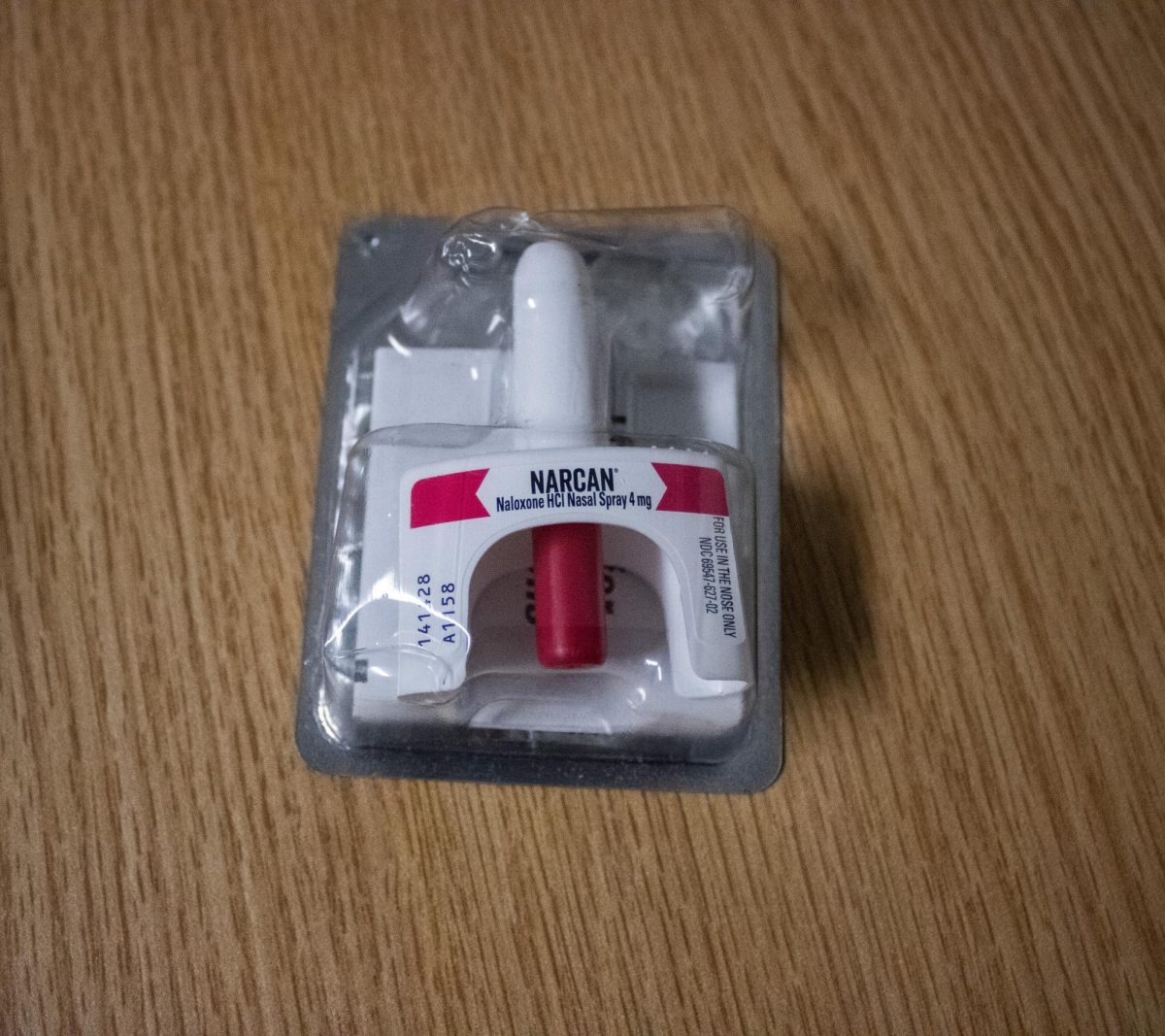
The solution is straightforward: make Narcan, an overdose-reversal medication, as accessible as fire extinguishers. Yet at SMU, action has not kept pace with the urgency of the crisis.
On Wednesday, April 7, the SMU Interfraternity Council, led by president Ben Stevens, hosted a talk with pro footballer Emmitt Smith and Release Recovery Founder and CEO Zac Clark at the Oren Family Auditorium in the Hughes-Trigg Student Center. The event focused on the challenges students are facing, including potential opioid risks.
“My fraternity made it very clear that Narcan was a thing, and it is a big thing that people need to know about on campus,” Stevens said. “There’s a lot more drug use in a city like Dallas, so Narcan was something that we made very prominent.”
The lecture brought clarity on the subject to many students, including freshman Abby Merrit.
“I did not know a lot about Narcan [before tonight],” Merrit said. “They talked about how if you think somebody’s having an opioid overdose, it’s always good to just go ahead and use it because it’s not going to hurt anyone, even if they aren’t overdosing. I also learned that it can’t be used beforehand to keep you safe from anything happening, but it can be used to help stop the overdose.”
At SMU, campus policy around substance use and emergency response is led by the Assistant Director of Recovery and Substance Use Prevention, Jennifer Barker, who helped write the proposal that brought Narcan to campus. However, Narcan is only available in a limited number of places, including the Wellbeing Office, Fondren Library, Dedman Recreation Center and the Dedman School of Law, and students like Merrit don’t really know about it.
“I actually don’t know where Narcan is located on campus right now,” Merrit said. “I think SMU could use some more informational resources to make sure that all the students know what it is, how we can use it and how it can help.”
Having access to this lifesaving treatment only helps half of the issue because, to administer Narcan, one needs to complete training.
“Anyone can reach out to the Wellbeing Education Office to set up training. We have also hosted random trainings, and it has been open to faculty, students and staff to register for that,” Barker said. “We also provide a QR code on the back of all our Narcan that takes you directly to online training.”
Barker hopes she can help make Narcan more available across campus soon.
“We need to understand that Narcan is truly a lifesaving tool that we have that we can use to help others,” Barker said. “But we need to have more conversations and to offer more education around opioid use and abuse.”