

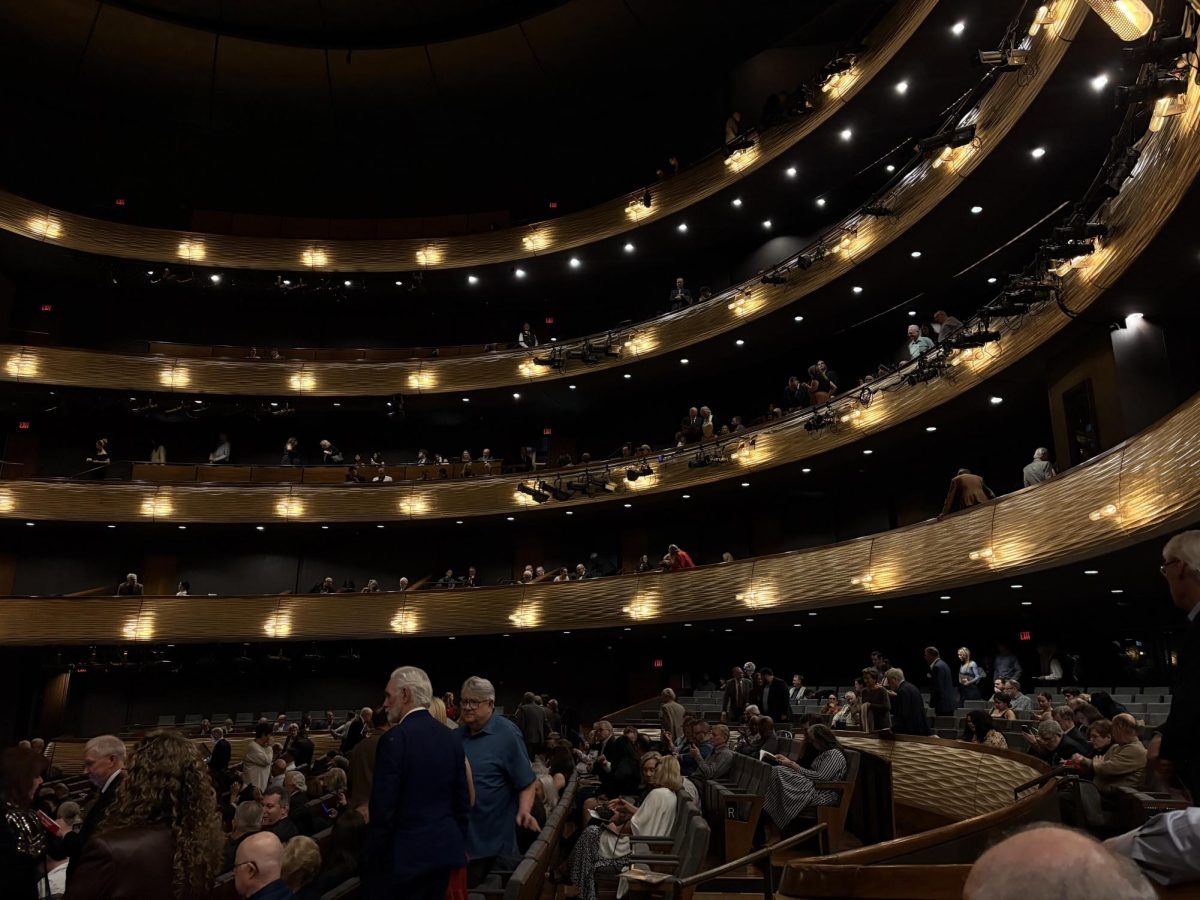
Wrapped in finery, the guests looked as if they had stepped straight from a wardrobe made for the evening itself. Fur stoles draped over shoulders, and bejeweled clutches caught the light, but the stage — was dressed for destruction.
Giuseppe Verdi’s “Don Carlo” opera did not just flirt with scandal; it seduced it. Political oppression, revenge, secret love affairs, whispered betrayals and loyalties collapsing under crown and cross. Everything short of a bare ankle was unveiled inside the Winspear Opera House on Feb. 27.
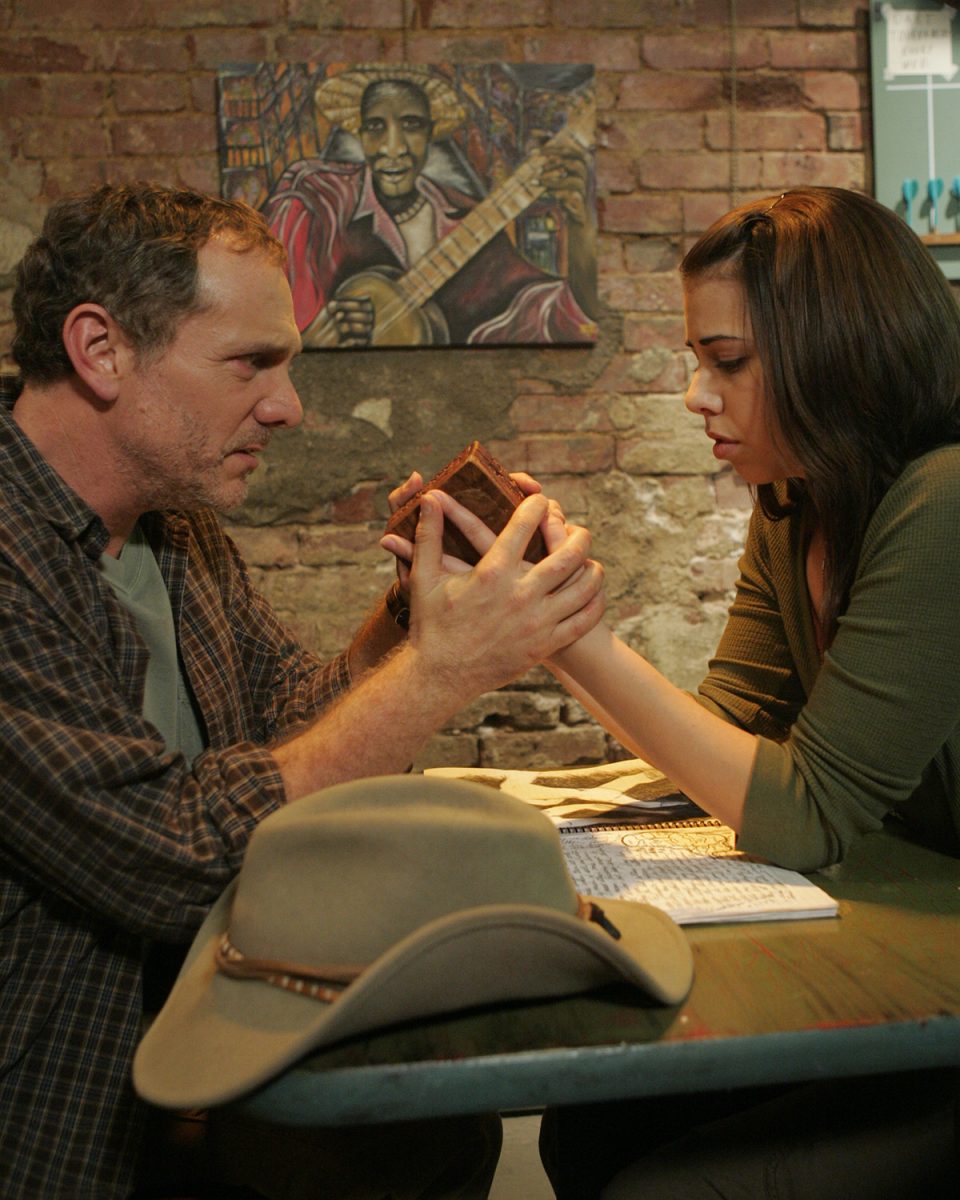
“Don Carlo,” composed by Giuseppe Verdi over 150 years ago, is set in 16th-century Spain. Prince Carlo is in love with Elisabeth of Valois, but she is married to his father, King Philip II, creating a tense love triangle. The story unfolds the political intrigue at the Spanish court, Carlo’s partnership with Rodrigo to support Flanders and the harsh control of King Philip and the Inquisition. Betrayal, imprisonment and unresolved conflict lead to a tragic ending, and Carlo’s fate remains unclear.
The audience’s reactions reflected the opera’s intensity. People were physically sitting on the edge of their seats. Some guests even leaned a little too comfortably over the balcony. Gasps were audible, sharp inhales everywhere.
As the first act concluded, the audience spilled into the lobby, debating the betrayals and passions they had just witnessed.
“It’s dramatic, it’s very dramatic, I don’t think this type of production would have…could have been created during this [current] time,” attendee Sarah Omar said. “It is very beautiful how they were able to express those emotions, even though we didn’t really understand the storylines [sang in Italian], from what they’re saying, but being able to really feel their emotion through [their singing] that. I think that’s very, very fantastic.”

(Abigail Brown)
The grandeur of the sets, the B5 high voices and clean choreography left guests praising every detail. Attendees Chandlar Head and Andrew Riedel were particularly enthusiastic about the setup, and opera singers Christian Van Horn (Philip II) and Nicole Car (Elisabeth of Valois).
“Christian Van Horn is perfect and can do no wrong. Chorus, fabulous and orchestra… fabulous,” Head said.
Riedel shared a similar fondness.
“I love Christian Van Horn. He’s kinda hard to beat. I gotta give props to the baritone as well,” Riedel said. “And I love the soprano. Elizabeth is incredible. The set’s phenomenal.”
As intermission drew to a close, the lobby’s hum quieted down. Conversation about the first act’s drama, opera singers and the sets faded away. The anticipation was palpable, and it was clear everyone was eager to return to their seats and witness the next chapter of Verdi’s masterpiece. Even in a pause, the opera’s magic lingered in the air, promising the audience that the story was far from over.